
Deploy AI Agents Across Back Office Operations
Trusted by industry leaders to scale operations without increasing manual overhead
79%
Average reduction in manual overhead
1M+
Fortune 500 Agentic jobs processed
AI agents for casework and public services
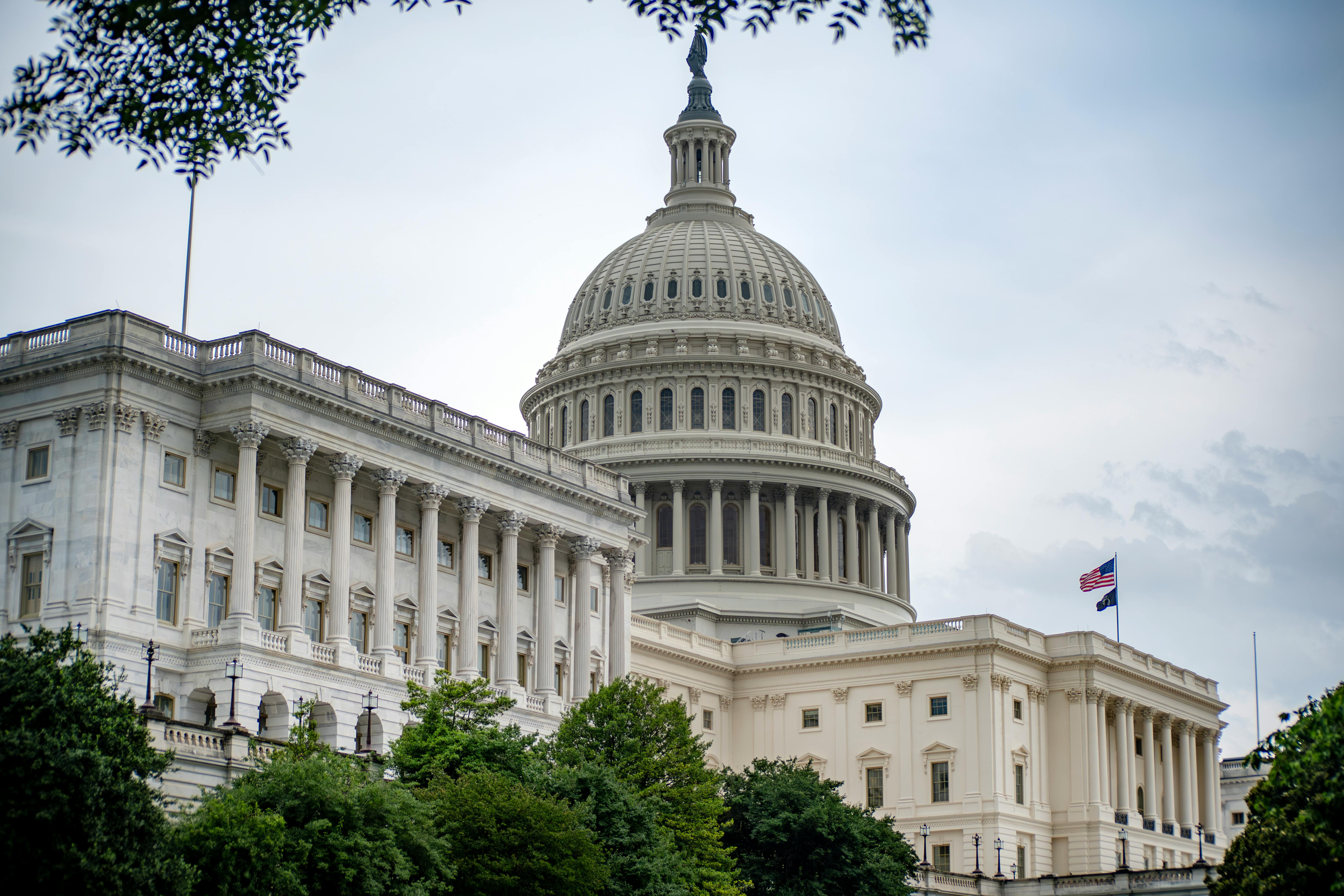
Case intake triage
Scroll to explore this application
ROI[1.1]
Summary[1.2]
Inputs[1.3]
Actions[1.4]
- 01Classify case types and priorities.
- 02Extract applicant and request details.
- 03Validate required fields and completeness.
- 04Route cases to the correct queue.
Outcomes[1.5]

Document classification
Scroll to explore this application
ROI[2.1]
Summary[2.2]
Inputs[2.3]
Actions[2.4]
- 01Classify documents by type and intent.
- 02Extract structured fields and metadata.
- 03Validate fields against program rules.
- 04Attach documents to case records.
Outcomes[2.5]

Policy & knowledge agents
Scroll to explore this application
ROI[3.1]
Summary[3.2]
Inputs[3.3]
Actions[3.4]
- 01Answer questions with cited sources.
- 02Surface relevant policies and clauses.
- 03Suggest next steps and checklists.
- 04Escalate edge cases to supervisors.
Outcomes[3.5]

Shared inbox automation
Scroll to explore this application
ROI[4.1]
Summary[4.2]
Inputs[4.3]
Actions[4.4]
- 01Classify inbound messages by intent.
- 02Extract case IDs and key details.
- 03Route to the correct team or program.
- 04Draft acknowledgements and updates.
Outcomes[4.5]





AI agents connected directly to your enterprise systems
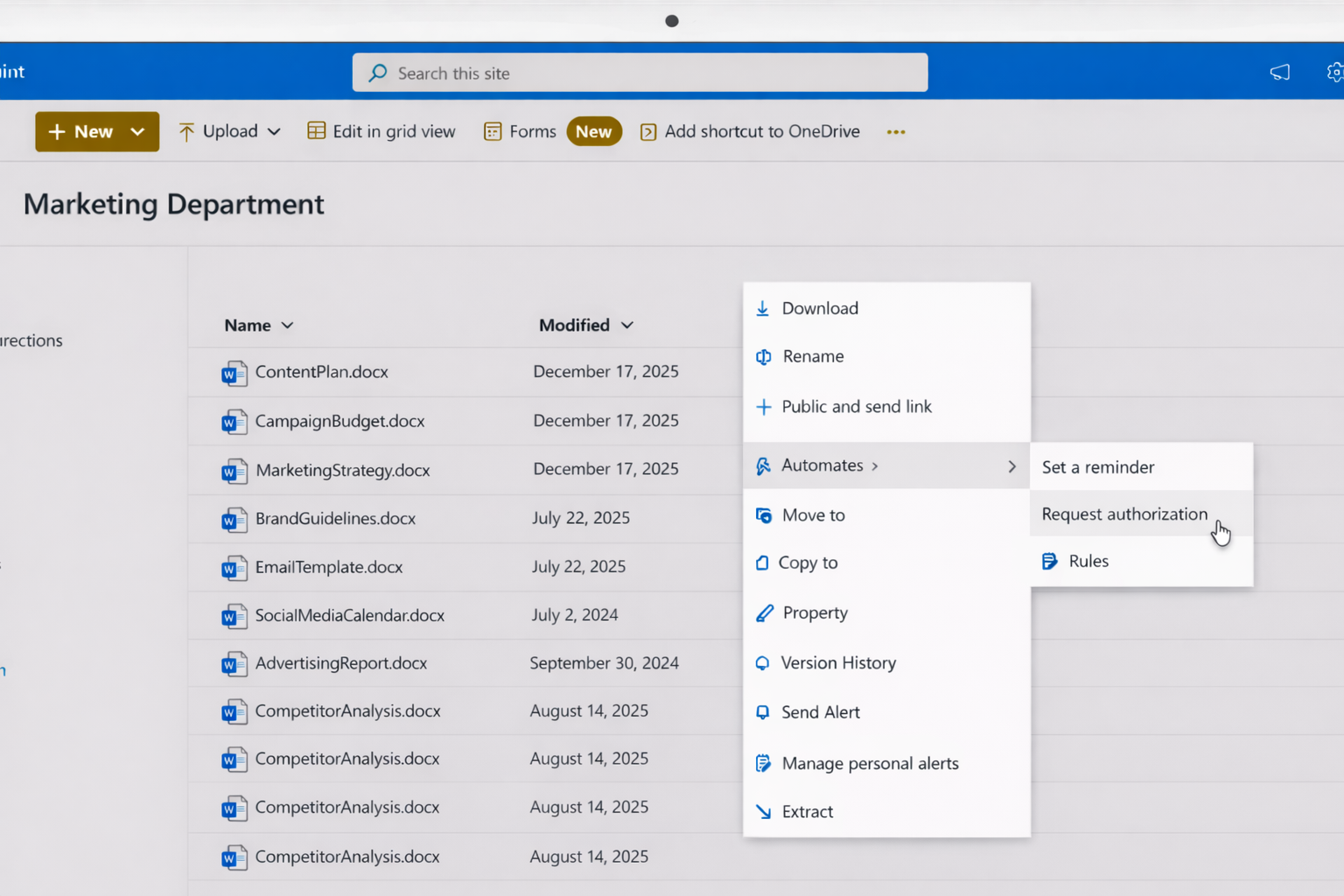
Enterprise systems


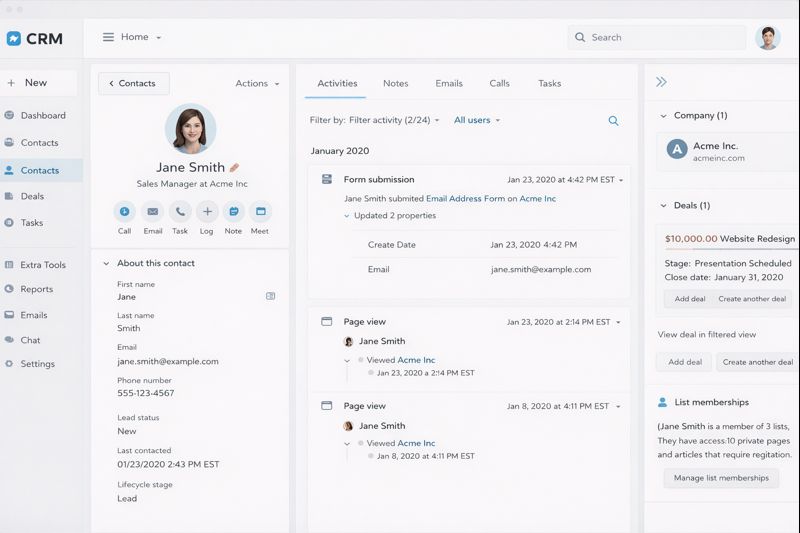
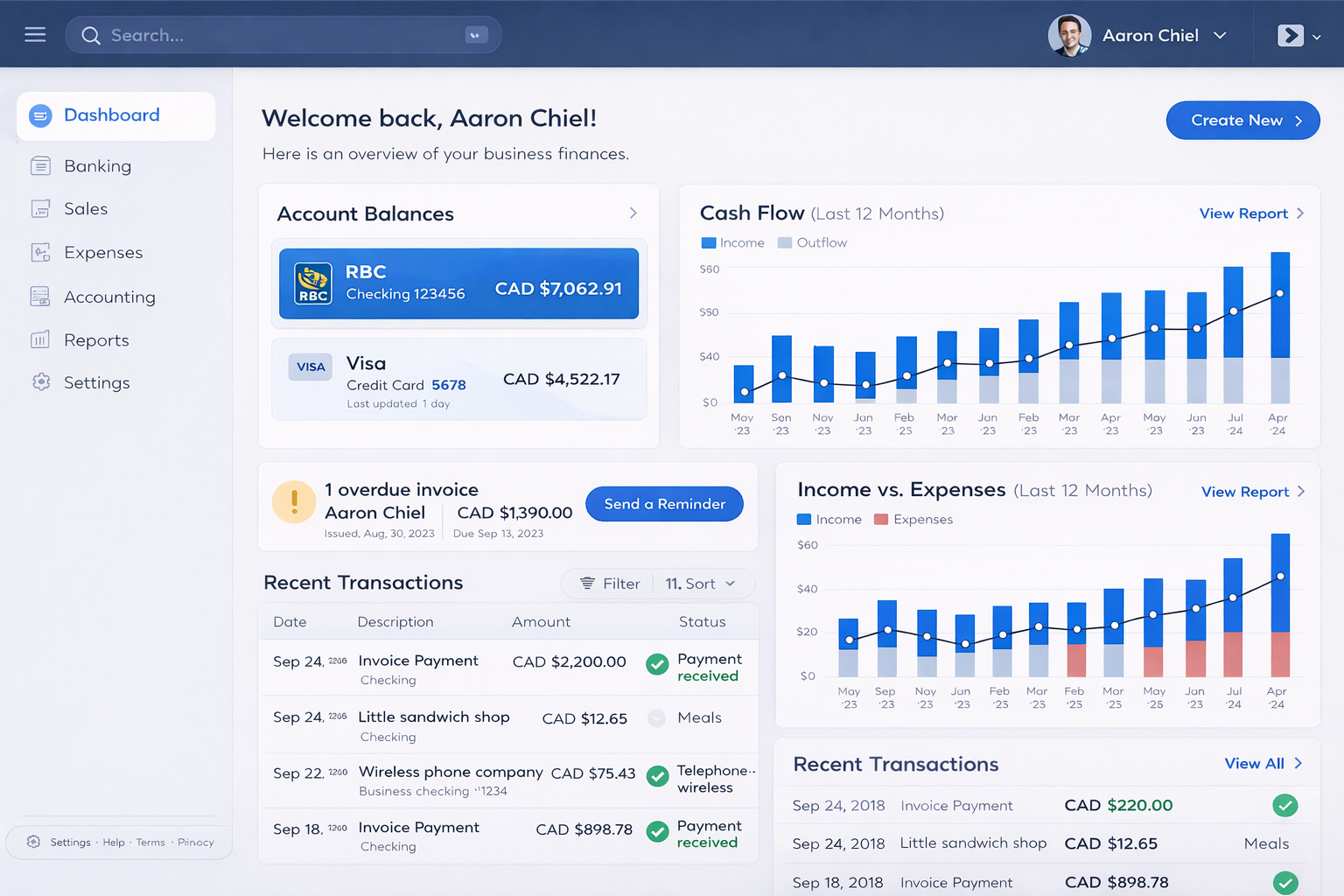


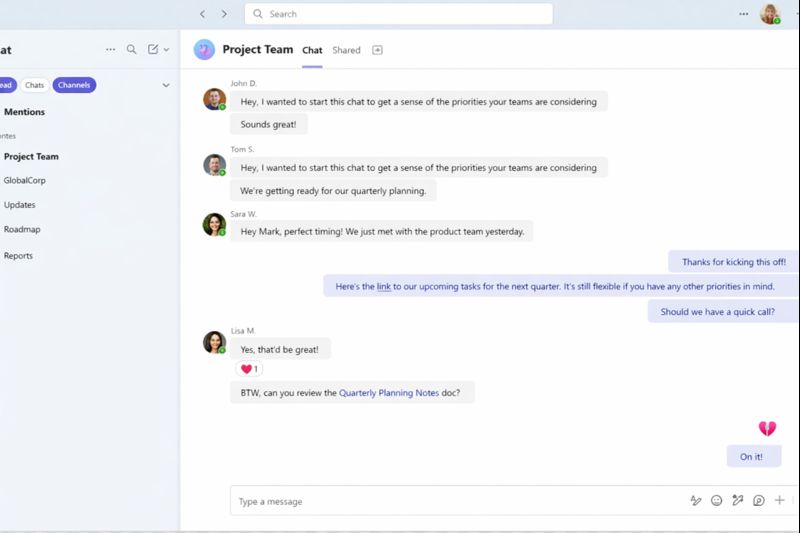
Communication


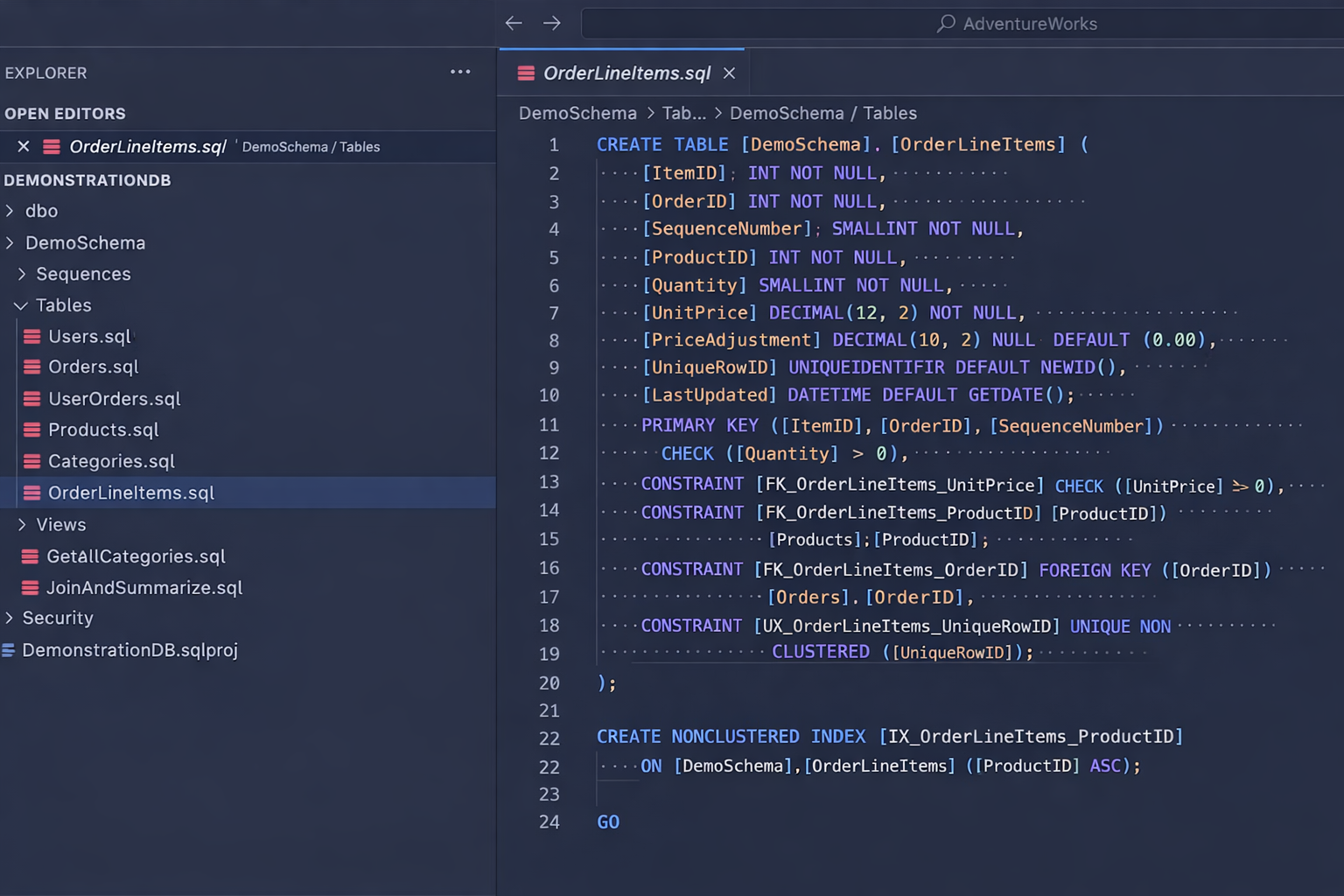
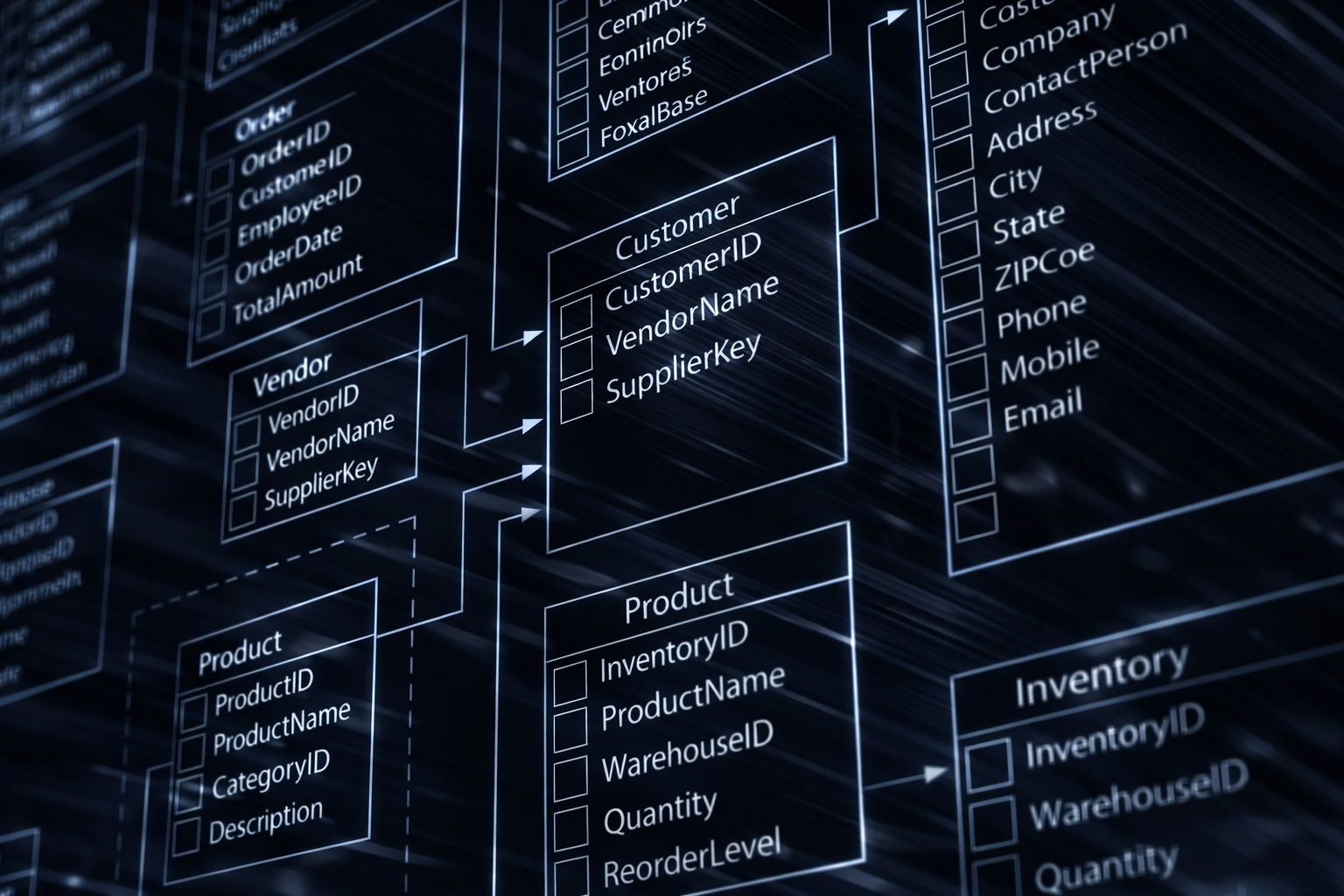
Data & Storage
How to spot AI agent opportunities
Which processes still require significant manual data entry or re-keying between systems (ERP, TMS, WMS, CRM, spreadsheets)?
Which workflows rely on large volumes of semi-structured documents (invoices, contracts, BOLs, manifests, forms)?
Which processes rely on inputs with high variance (PDF formats, free-form text, email attachments)?
Which shared inboxes require constant manual monitoring, triage, and follow-up to keep up with customers, suppliers, or partners?
Which rule-based, repetitive tasks drive the most overtime, headcount, or SLA risk?
Which of these repetitive workflows would drive the most value if an AI agent could run them end-to-end?