Consumer Goods & Retail

Deploy AI Agents Across Back Office Operations

Trusted by industry leaders to scale operations without increasing manual overhead

84%

Average reduction in manual overhead

1M+

Fortune 500 Agentic jobs processed

Industry Applications

AI agents built for retail operations

Application
Retail mall interior with arches

Multichannel order management

[01]

Scroll to explore this application

ROI[1.1]

76%
Order consolidation automated

Summary[1.2]

Extract and unify orders from retailer portals, EDI, and email into a single order or ERP system.

Inputs[1.3]

Retailer portal orders
EDI 850/855 transactions
Ecommerce orders
Email POs and attachments
SKU and pricing master data
Fulfillment rules and SLAs

Actions[1.4]

  1. 01
    Ingest orders across channels in real time.
  2. 02
    Normalize orders into a unified schema.
  3. 03
    Validate SKUs, pricing, and ship dates.
  4. 04
    Create orders in ERP/OMS and flag exceptions.

Outcomes[1.5]

Faster order-to-cash cycles
Reduced manual re-keying errors
Unified visibility across channels
Fewer order exceptions downstream
Application
Retail escalator in a modern shopping center

Remittance processing

[02]

Scroll to explore this application

ROI[2.1]

88%
Cash application automated

Summary[2.2]

Read remittance advices and automatically reconcile payments to open invoices.

Inputs[2.3]

Remittance advices
Lockbox and bank files
Open AR invoices
Deduction codes and policies
Customer master data

Actions[2.4]

  1. 01
    Extract payer, invoice, and payment details.
  2. 02
    Match payments to open invoices with tolerances.
  3. 03
    Classify deductions and short pays.
  4. 04
    Post cash and route disputes for review.

Outcomes[2.5]

Reduced days sales outstanding
Faster month-end close
Fewer disputes and write-offs
Cleaner AR aging visibility
Application
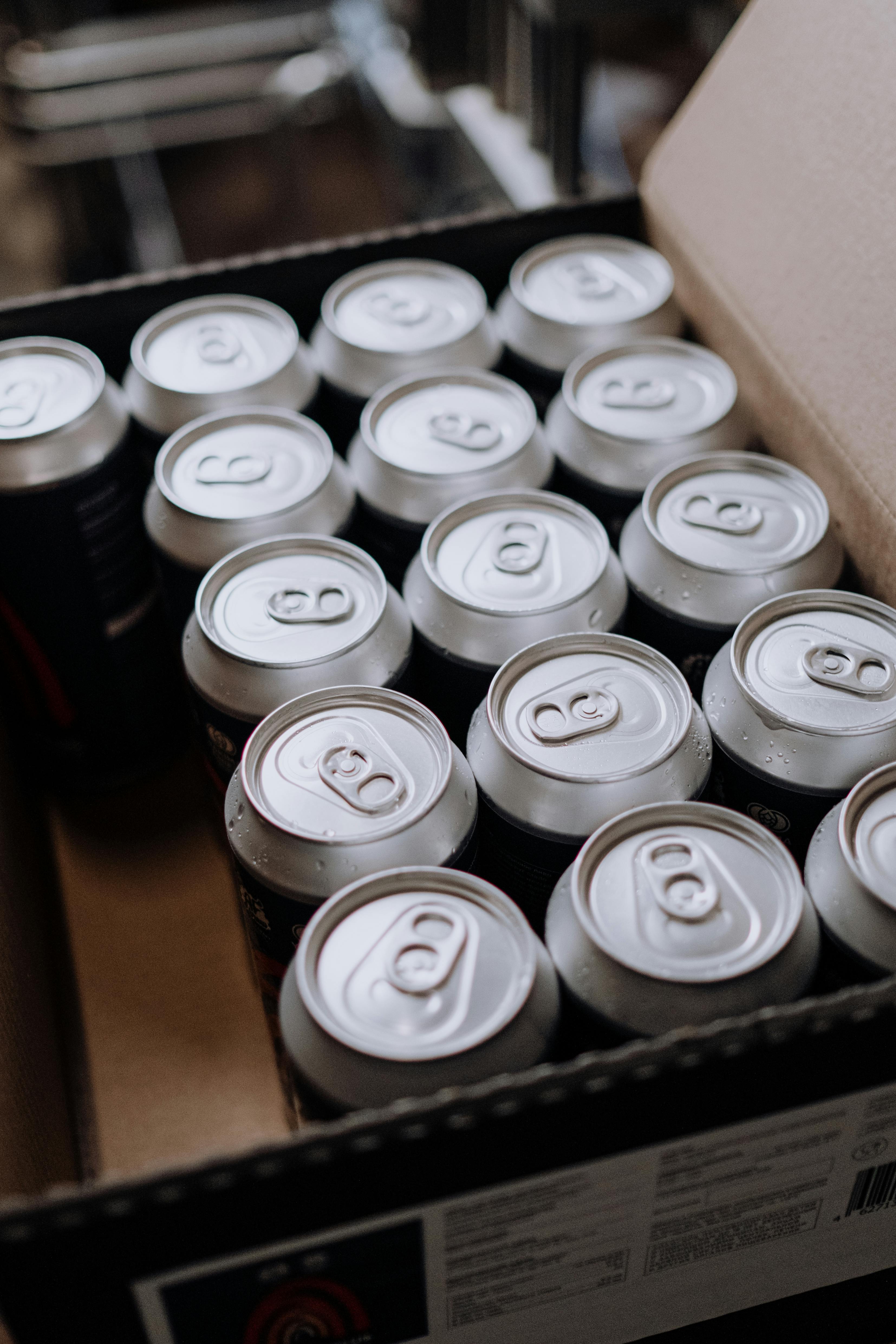
Beverage cans moving through a production line

Customer feedback classification

[03]

Scroll to explore this application

ROI[3.1]

64%
Feedback triage automated

Summary[3.2]

Categorize product and service feedback from transcripts, emails, and web forms to trigger follow-up workflows.

Inputs[3.3]

Customer emails and chats
Reviews and surveys
Call transcripts
Product catalog and SKUs
Issue taxonomy and SLAs

Actions[3.4]

  1. 01
    Classify feedback by intent and sentiment.
  2. 02
    Extract product, order, and issue details.
  3. 03
    Prioritize and route to the right team.
  4. 04
    Draft responses or escalation notes.

Outcomes[3.5]
Faster customer response times
Clearer trend analysis by product
Reduced manual triage workload
Improved customer satisfaction
Application
Close-up of can tops on a production line

SOP knowledge agents

[04]

Scroll to explore this application

ROI[4.1]

57%
Internal questions deflected

Summary[4.2]

Agents connected to product catalogs, policies, and SOPs to answer internal questions instantly.

Inputs[4.3]

SOPs and playbooks
Product catalogs and specs
Return and exchange policies
Pricing and discount rules
Knowledge base articles

Actions[4.4]

  1. 01
    Answer questions with cited sources.
  2. 02
    Recommend next steps and templates.
  3. 03
    Escalate complex requests to experts.
  4. 04
    Log new knowledge gaps for updates.

Outcomes[4.5]

Reduced internal support tickets
Consistent responses across teams
Faster onboarding for new staff
Improved policy compliance
Agentic models supported
OpenAI
Anthropic
Gemini
Llama
xAI
Governed Integrations

AI agents connected directly to your enterprise systems

[01]

Enterprise systems

ERP
TMS
CRM
Accounting
WMS
OMS
[02]

Communication

Outlook
Gmail
Teams
Slack
[03]

Data & Storage

SQL Databases
SharePoint
Data Warehouses
Google Drive
[Scoped permissions][Agent audit trails][Human in the loop][Workflows run safely at scale]
Indicators of High ROI Workflows

How to spot AI agent opportunities

Manual data entry[01]

Which processes still require significant manual data entry or re-keying between systems (ERP, TMS, WMS, CRM, spreadsheets)?

Heavy document processing[02]

Which workflows rely on large volumes of semi-structured documents (invoices, contracts, BOLs, manifests, forms)?

Varying input structure[03]

Which processes rely on inputs with high variance (PDF formats, free-form text, email attachments)?

Email inbox monitoring[04]

Which shared inboxes require constant manual monitoring, triage, and follow-up to keep up with customers, suppliers, or partners?

Repetitive manual tasks[05]

Which rule-based, repetitive tasks drive the most overtime, headcount, or SLA risk?

Highest value targets[06]

Which of these repetitive workflows would drive the most value if an AI agent could run them end-to-end?

Use these indicators to uncover workflows where AI agents can drive down manual overhead.

Become the Industry Standard.